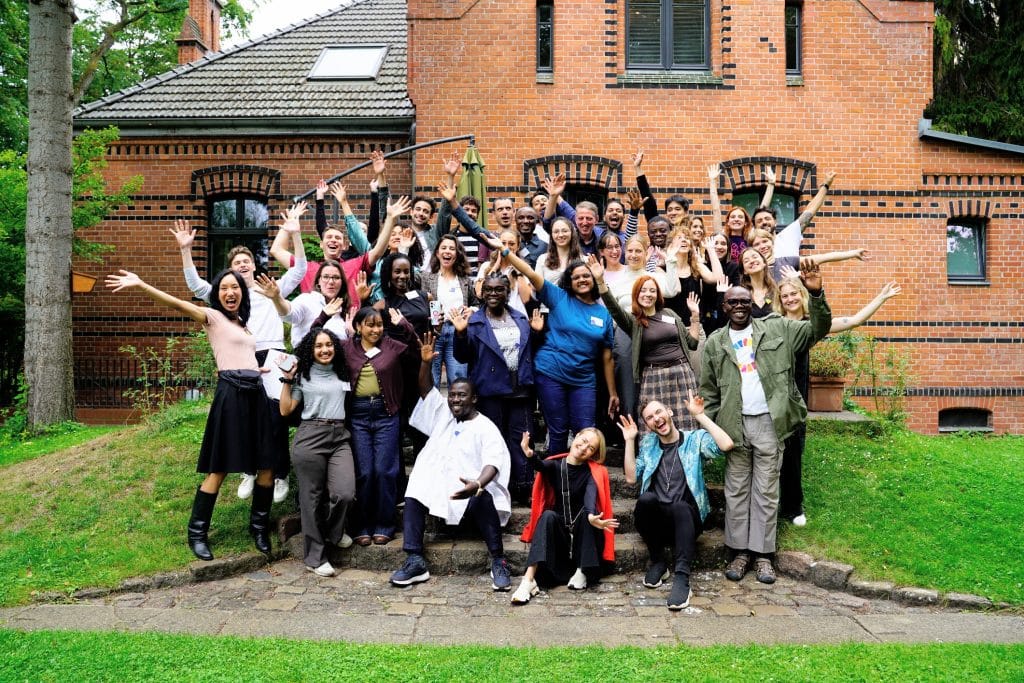
Climate news usually offer dire outlooks, leaving us to wonder whether a livable future is still within reach. IKEM Academy 2026 set out to show that change is possible and that it is not too late to act. We spoke to Anika Nicolaas Ponder, the driving force behind the Academy, about how the programme inspired participants to take action.
The overarching theme of this year’s academy was the “climate spark”. What does this mean for you personally, and what was the idea behind it?
The “climate spark” is about hope and the belief that change is possible. It represents the energy and determination that keep climate action moving forward, even in difficult times. For us, the term emerged in 2024/25, when the geopolitical outlook became increasingly challenging and climate action suffered major setbacks. Important progress was rolled back, the Academy itself went a year without funding, and many people working in the climate field felt discouraged. In that context, the Academy’s title became a symbol of hope: the climate spark is a small but powerful impulse that keeps people motivated to continue working for change.
What did you look for when developing the program, choosing the speakers and topics?
One key feature of the Academy is its multidisciplinary approach. The participants come from a wide range of personal and professional backgrounds, bringing different perspectives, levels of knowledge and areas of expertise. It is important to first bring everybody up to speed before diving into the specifics. That is why in the beginning, we looked at the big picture, and only later discussed local action, such as energy cooperatives or climate storytelling.
I have been organising the Academy for many years, so I can draw on a strong network of inspiring speakers from Berlin and beyond. It is always about combining familiar and new voices, while offering fresh perspectives on climate action.
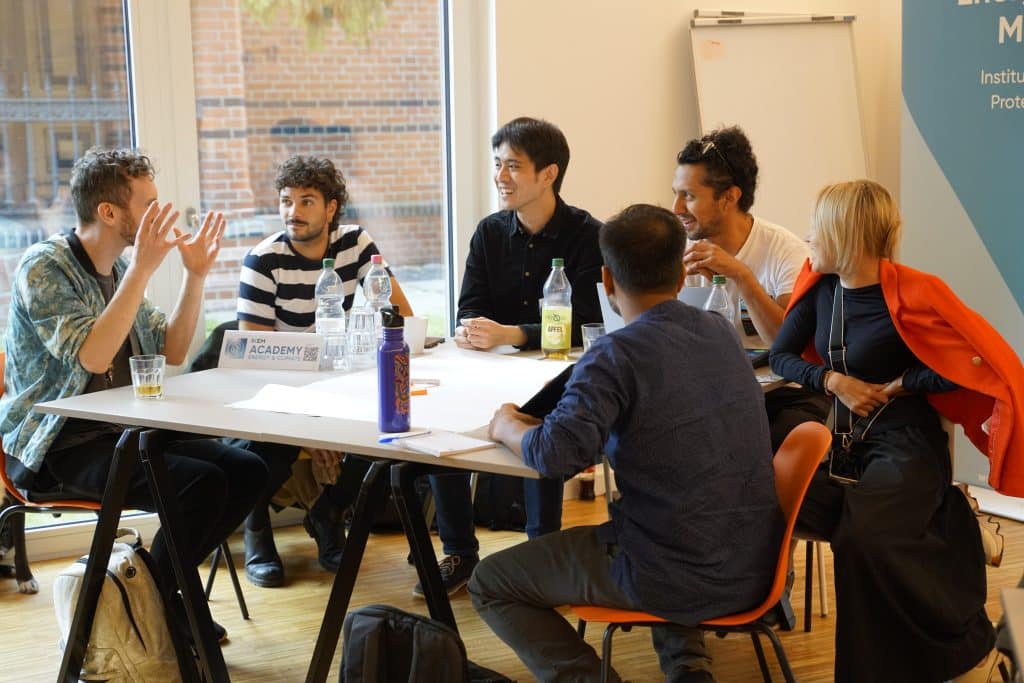
This year, the participants came from 18 different countries. How do these international perspectives shape the discussions and the atmosphere at the academy?
International perspectives make every topic more interesting. When you speak with someone from a different context, you begin to question your own assumptions and realise that your experiences and your reality are not universal. At the Academy, this diversity is further enriched by the variety of disciplines the participants represent, from engineering to policy. This combination leads to richer discussions, fresh ideas and a much deeper understanding of the challenges and opportunities of climate action.
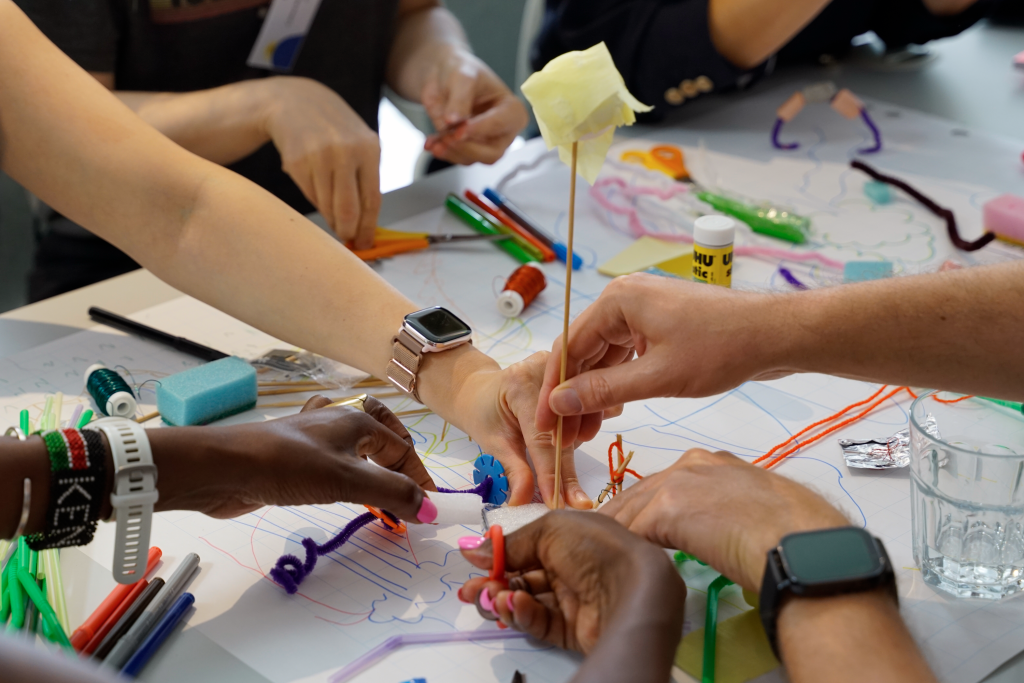
A recurring theme of the academy was the hands-on workshops, where participants had the chance to contribute actively and be creative. Why was it important to include these participatory formats in the program?
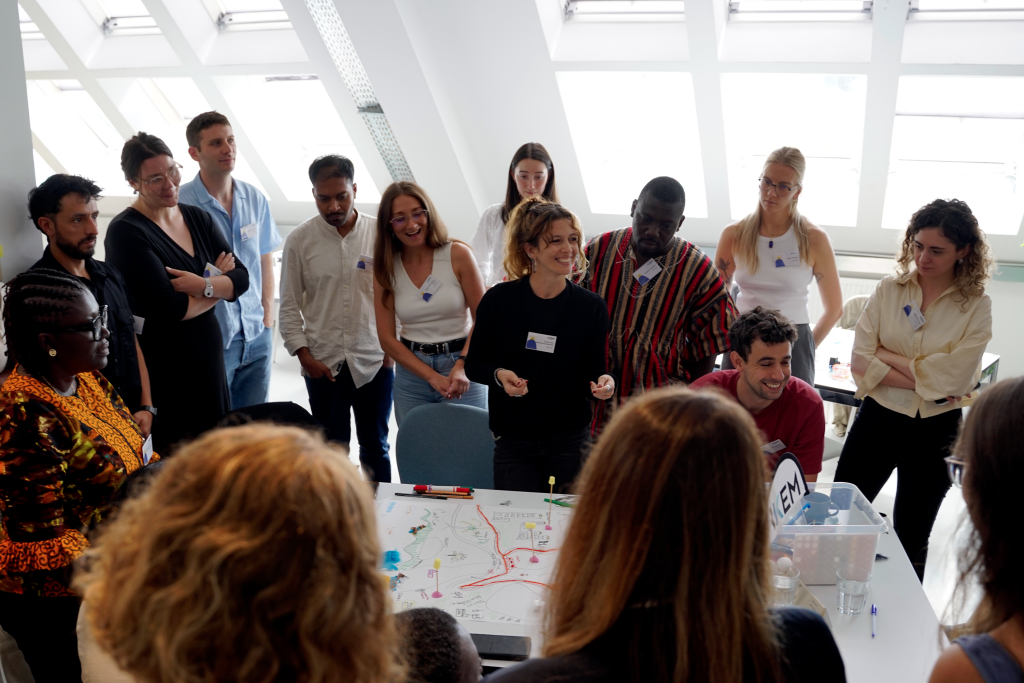
Over the last decade, we have seen a clear shift in what participants are looking for. Until a couple of years ago, the academy was more of a policy conference. However, the feedback surveys showed that participants wanted more opportunities to engage actively with the topics and with each other. In response we included more participatory formats in the programme. Our expert-led workshops offer a deep dive into a subject of the day and create space for creativity, experimentation and collaboration. I think that the best way to learn is by doing, which is why I have been happy to see how enthusiastically participants embraced these formats and the results they produced.
Was there a moment during the week that really stood out for you?
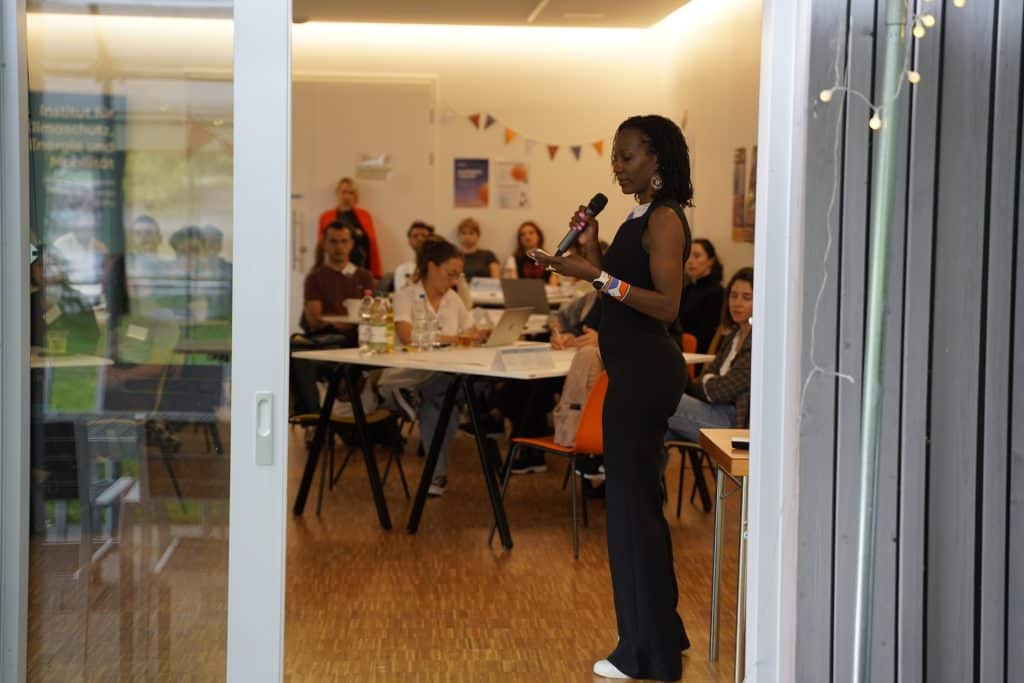
The Academy was full of highlights. I loved seeing the participants bond and talk to each other as if they had known each other for ages, even though they had met just days before. It is also great to see the program come to life, especially with the amazing speakers we had this year: For example, Kate McKenzie, who explains complex legal matters in accessible language, or Damaris Agweyu, whose moving way of telling her mother’s story gave me goosebumps. Finally, it has been great working with the team, we had each other’s backs and helped make this Academy run so smoothly.
Now that the academy is over: how do we keep the climate spark alive?
The goal was to bring people together, to share stories and ideas. Now we must keep the engagement up, even if only at small scale, with friends or family. It is easy to feel discouraged by the challenges ahead but there is no point in giving in to despair. The solutions and technologies we need already exist, and it is not too late to act. I like to think that the hundreds of participants who have passed through the Academy over the last years each carry their little climate spark and keep the hope alive.